Swiss Brand Congress 2026
Why brands do not have a communication problem – but an impact problem. Brands communicate more than ever before. Across more channels, at greater frequency, and with an increasing volume of content. Yet it often remains unclear what truly resonates with audiences. At the Swiss Brand Congress, we explored exactly this challenge: why reach does not automatically create impact, and why emotional brand effectiveness has become a leadership issue.
What to expect:
- A brief recap of our forum
- The key learnings from three inspiring case studies
- Essential takeaways on the principles of emotional brand impact
- And, most importantly, what this means for your brand
-
Image
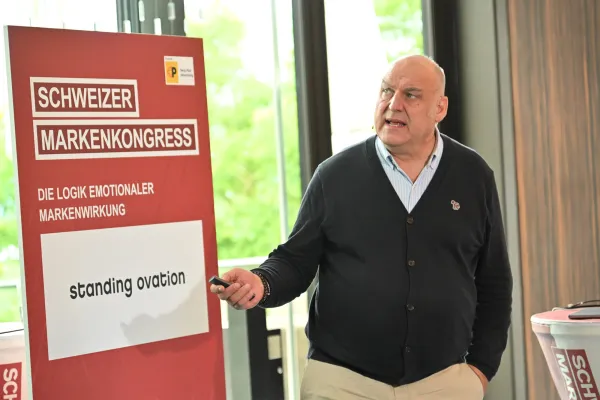 Prof. Dr Marcus Schögel set the strategic direction with a thought-provoking keynote.
 -
Image
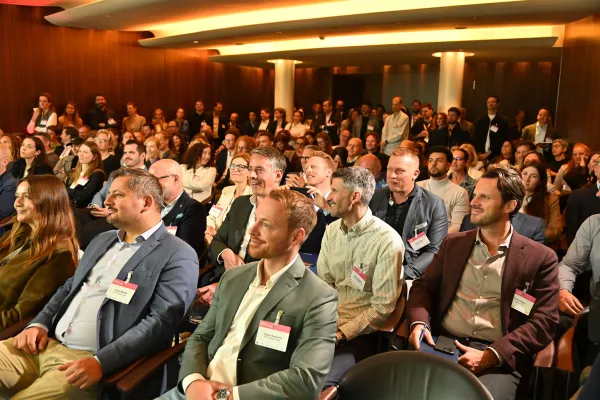 More than 100 guests, a full auditorium, and one shared question: How do brands create impact that lasts?
 -
Image
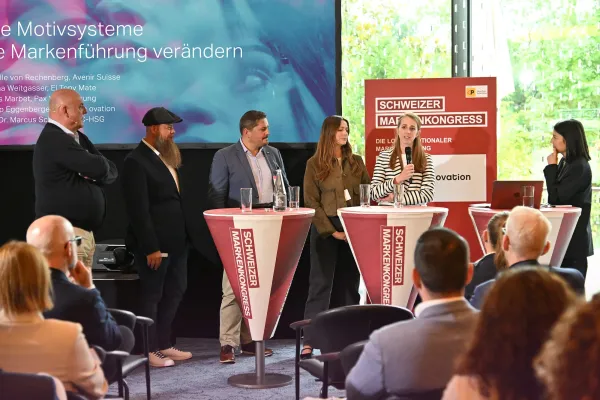 The panel brought together Avenir Suisse, Pax and El Tony Mate to discuss lasting brand impact.


A Forum About Impact – Not More Communication
At the Swiss Brand Congress, we had the opportunity to bring our forum, The Logic of Emotional Brand Impact, to the stage together with Prof. Dr Marcus Schögel, Avenir Suisse, Pax and El Tony Mate. The full auditorium, the strong level of engagement, and the conversations that followed made one thing clear: emotional brand impact is no longer a niche topic. It belongs on the leadership agenda. Prof. Dr Marcus Schögel set the strategic direction with his keynote, Brand Experience as a Driver of Growth. His central message:
Brands are not built through facts, arguments and value propositions alone.
What truly matters is what people experience, remember and associate with a brand. Functional benefits support a brand. Experiences lead it. This is precisely where emovation® comes in: understanding the implicit motivations that shape the relationship between brands and their audiences – and turning those insights into better decisions for brand management, communication and brand experience.
Three brands. Three very different starting points. One shared question.
Pax, Avenir Suisse and El Tony Mate could hardly be more different: a pension and insurance provider, a think tank, and a beverage brand. That is precisely what made these three case studies so insightful. From different perspectives, they demonstrated where brand impact is created – and where it can easily be lost.

Best Practice #1
Pax: Trust Must Be Experienced
Planning for the future is rationally important, yet emotionally difficult to engage with. Pax demonstrated how an anniversary can become more than a milestone: a strategic platform for making trust, security and a sense of belonging tangible. The key insight:
People do not just need to understand financial security. They need to feel emotionally reassured.
With «Daheim» (Home), an abstract financial topic was transformed into something deeply human. The green sofa became a visible symbol of that idea – simple, recognisable and emotionally meaningful. Facts create understanding. Experiences create trust.
-
Image
 Danielle von Rechenberg is Head of Donor Engagement & Fundraising at Avenir Suisse.
 -
Image
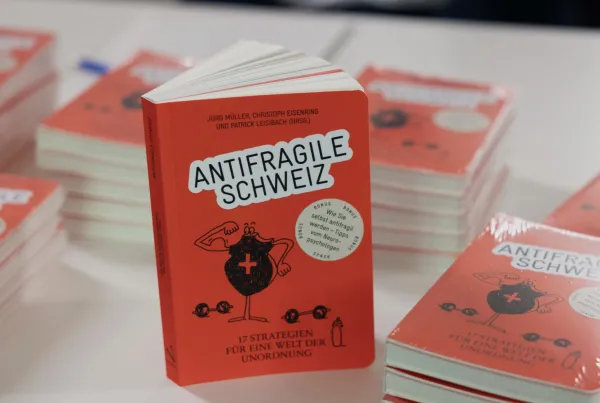 Substance only creates impact when people experience it as relevant.


Best Practice #2
Avenir Suisse: Expertise Needs Relevance
Avenir Suisse did not face a knowledge challenge. The challenge was translating rigorous analysis into meaningful orientation, dialogue and public engagement. The analysis revealed a key tension: internal and external perceptions were not fully aligned. Avenir Suisse sees itself as visionary, independent and highly competent. Yet parts of its audience perceived the organisation as elitist, distant and difficult to access. The strategic shift:
From analysis as an end product to analysis as a catalyst.
From authority through distance to trust through guidance. From broadcaster to facilitator of dialogue. Substance only creates impact when people experience it as relevant.

Best Practice #3
El Tony Mate: Instinct Needs Structure
El Tony Mate was not created in a boardroom. The brand grew out of attitude, community and cultural intuition – and that remains its greatest strength. The challenge begins when subcultural momentum turns into broader growth. As brands grow, their meaning becomes less self-evident. The question is therefore not: How do we reinvent El Tony Mate? The key question:
Which codes drive the brand’s success – how can they be scaled without losing what makes the brand distinctive?
emovation® helps make the implicit motivations behind that success visible: individuality, independence and adventure. This creates clarity around what can evolve – and what must be protected. Hype creates attention. Brand strength emerges when it becomes a code that people recognise, share and carry forward.
What Connects All Three Cases?
Brand impact is not created through more communication. It is created when a brand understands what motivates people, what meaning each touchpoint carries, which codes trigger trust, connection and belonging, and where strategy is translated into lived experience. Or, put more simply: Impact does not happen with the sender. It happens in the space where the message resonates. We have brought together the key insights, case studies and learnings from our forum in a single presentation.
What Does This Mean for Your Brand?
Every brand has points of resonance. Some are obvious. Many run deeper – rooted in implicit motivations, familiar codes, recurring experiences, or moments that carry greater meaning than others. The key questions are:
- What motivates your audience?
- Where does emotional resonance emerge?
- Which touchpoints truly matter?
- Where is potential still untapped?
- And which decisions could be improved if that impact were visible?
We would be delighted to explore these questions with you. In a personal conversation, we can build on the insights from the forum and discuss what emotional brand impact could mean for your brand in practice.
Let's talk meet chat