The Evolution of Festival Brand Experiences: Why Successful Brands Become Part of Festival Culture
Festivals have evolved far beyond music events. They create communities, shared rituals and cultural spaces where everyday rules give way to something different. Understanding why people come together in these environments reveals why the most successful brands are no longer competing for attention – they are striving to become part of the culture itself. The future belongs to brands that make a meaningful contribution to the festival experience.

Read this article to find out:
- Why festival marketing plays by a different set of rules today.
- Why creating a sense of belonging matters more than capturing attention.
- Why traditional promotional activations are losing their impact.
- Why brands need to play a genuine role within festival culture.
- How successful festival activations create lasting cultural relevance.
Festivals Are Built on Belonging
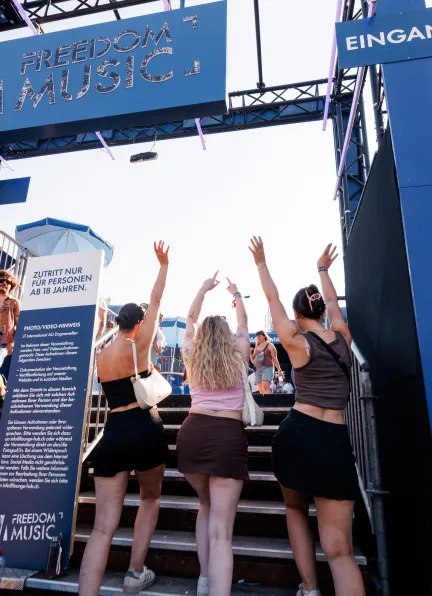
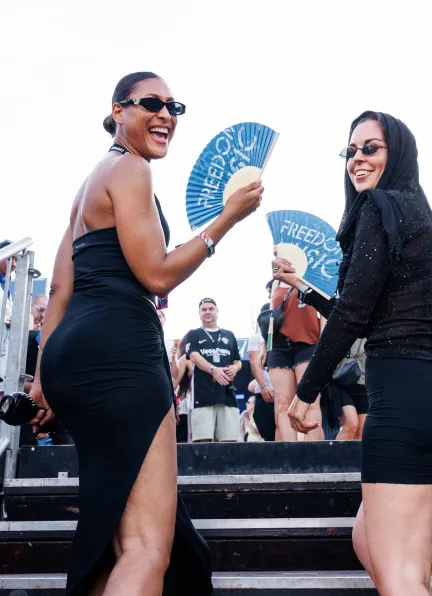
Few places allow people to step away from everyday life quite like a festival. For a few days, routines disappear, new rituals emerge and temporary communities take shape. Strangers celebrate the same artists, wear the same band shirts and wake up on the same campsite. What they take home afterwards are deeply personal memories, all connected by a shared experience. What unites festival audiences goes far beyond the line-up. It's the feeling of belonging – of being part of something bigger than themselves. That is precisely why festivals operate differently from traditional advertising environments.
Why Visibility Alone Is No Longer Enough
For many years, festival marketing was measured by visibility. Bigger logos, larger installations and widespread sampling were expected to generate greater impact. Today's audiences expect something different. Festivals represent a welcome escape from a world saturated with content, advertising and constant brand messaging. Rather than more promotional noise, people seek authentic interactions, unexpected discoveries and experiences that feel like a natural part of their day. As a result, the focus of festival marketing has shifted:
- from visibility to relevance
- from promotion to value creation
- from brand messages to meaningful interactions
- from reach to cultural significance
A Brand's Role Defines Its Relevance
Brands investing in festivals today should ask a different question. Instead of measuring how visible their presence will be, they should consider the role they want to play in people's experience.
Attention can be bought. Belonging has to be earned.
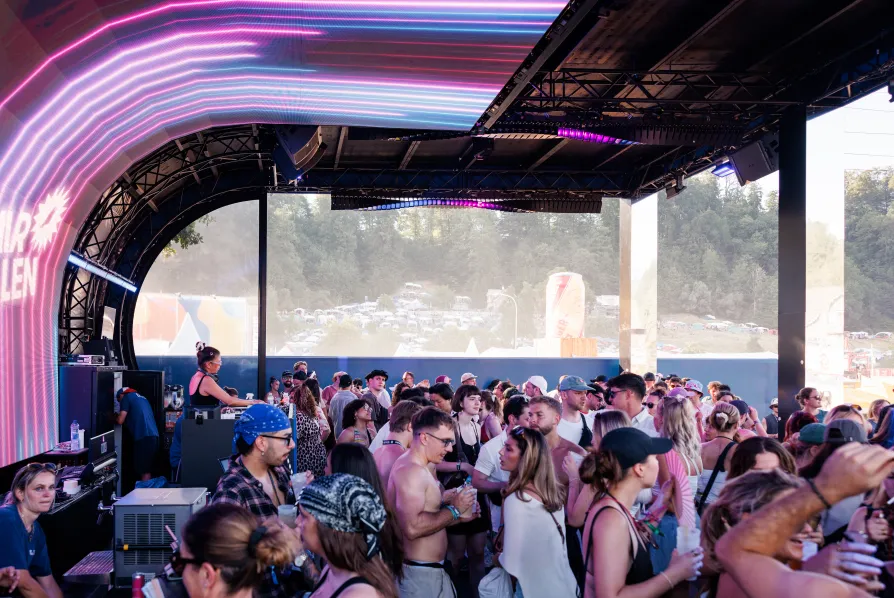
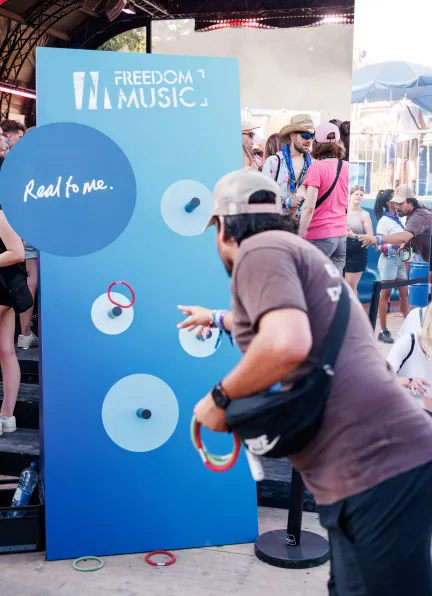
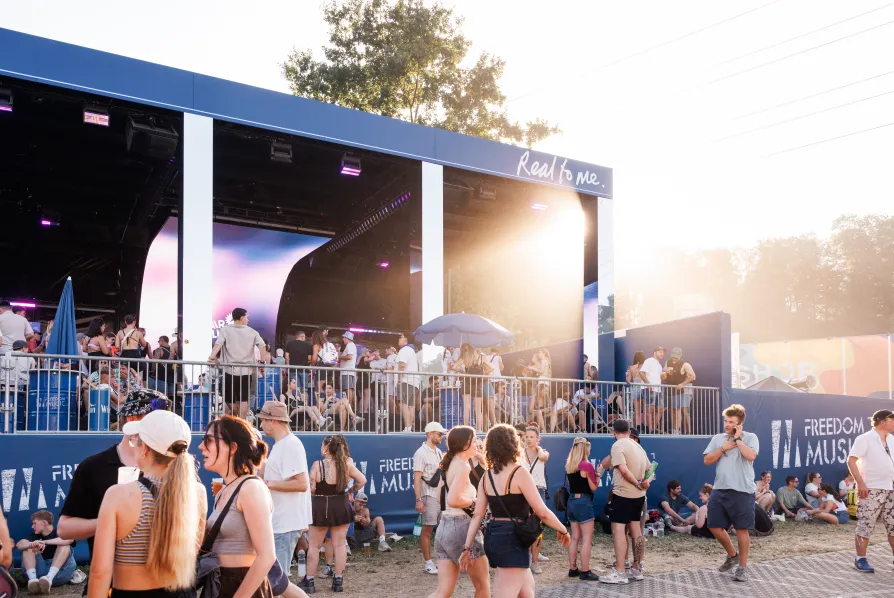
Festival audiences welcome brands when they genuinely contribute to the culture surrounding the event. This is why lounges, stages and social spaces have become much more than visually impressive activations. They create places where people connect, share experiences and make memories together. In doing so, brands become recognised not as advertisers, but as hosts, companions and contributors to festival culture. That is where true cultural relevance begins.
How Brands Become Part of Festival Culture
Festival marketing is moving beyond traditional sponsorship models towards holistic experience platforms that bring people together and add genuine cultural value. Successful festival activations typically take on one or several of these roles:
Festival-goers naturally seek places to pause, recharge and spend time together. Rather than simply increasing brand visibility, successful brands create destinations that people actively choose to visit. Lounges, community spaces and stages become valued parts of the festival journey because they offer something meaningful to visitors.
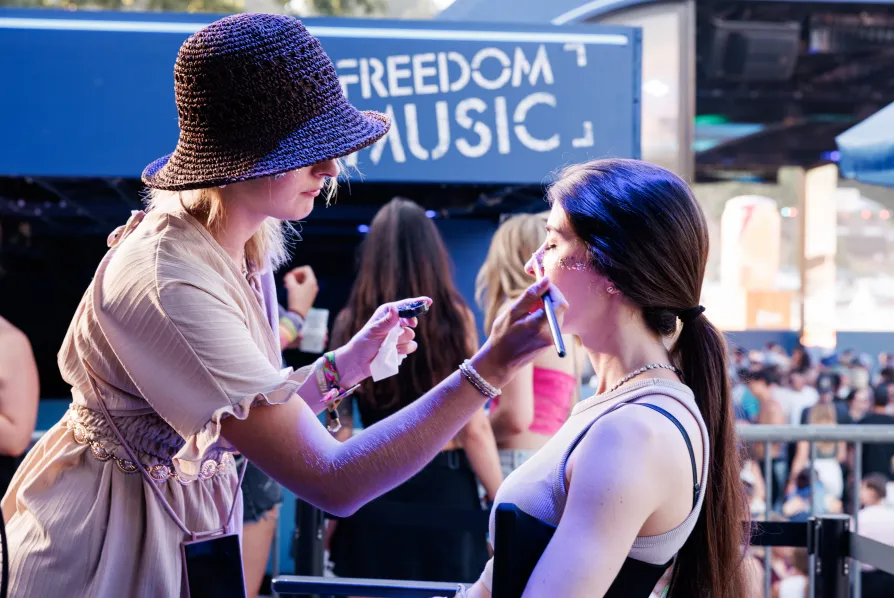
The strongest brand moments rarely happen during a promotional interaction. They happen before, after or somewhere in between. Effective festival activations complement the natural rhythm of the day instead of interrupting it – from the first stop after entering the site to spontaneous shared experiences and mobile touchpoints across the festival grounds.
Brands become most relevant when they contribute to the programme itself. Whether by supporting emerging artists, curating unique experiences or creating spaces that encourage interaction, they enrich the festival experience through genuine cultural contribution. Rather than simply occupying space, they help shape the atmosphere that makes each festival unique.
The Future Belongs to Brands that Understand Culture
The shift from sponsor to host, companion and contributor is fundamentally changing how festival marketing should be evaluated. The largest activation is no longer the most successful. The greatest impact comes from the activation that makes the most meaningful contribution to the overall festival experience. Reach and visitor numbers remain valuable metrics, but they cannot fully explain why an activation resonates or which emotional needs it fulfils.
«Brands that create memorable experiences, foster belonging and become part of festival culture no longer have to compete for attention – because relevance emerges naturally.»
This is where emotionally driven brand strategy makes the difference. Understanding the success of a festival activation requires looking beyond reach and impressions. It means recognising the human needs, motivations and emotions that shape people's experiences.
Only then can brands make informed decisions about future investments. For organisations, this represents a fundamental shift in perspective. The question is no longer: «How many people did we reach?» It has become: «How did our brand contribute to the festival experience?»
Foto-Credits: Tyro Media Group